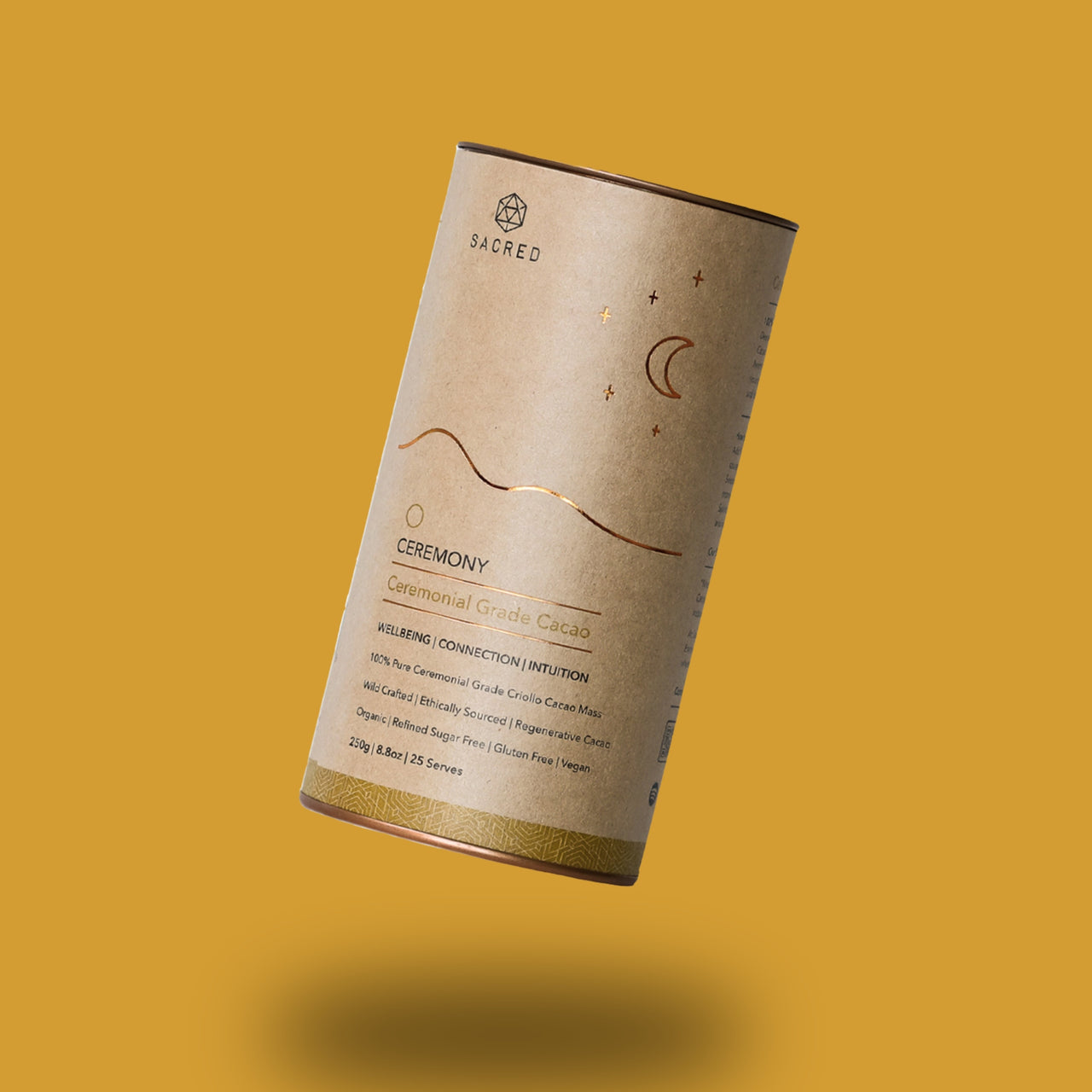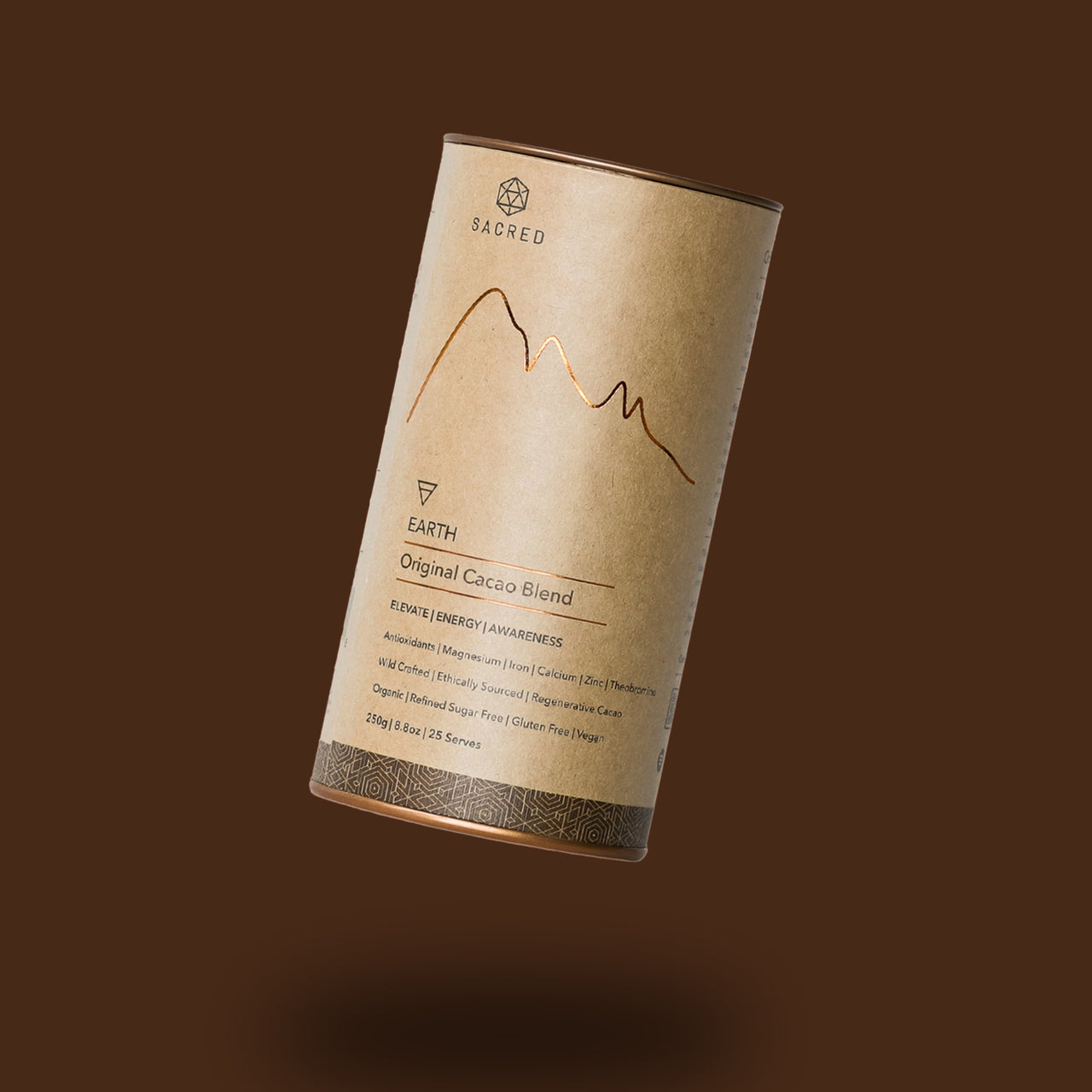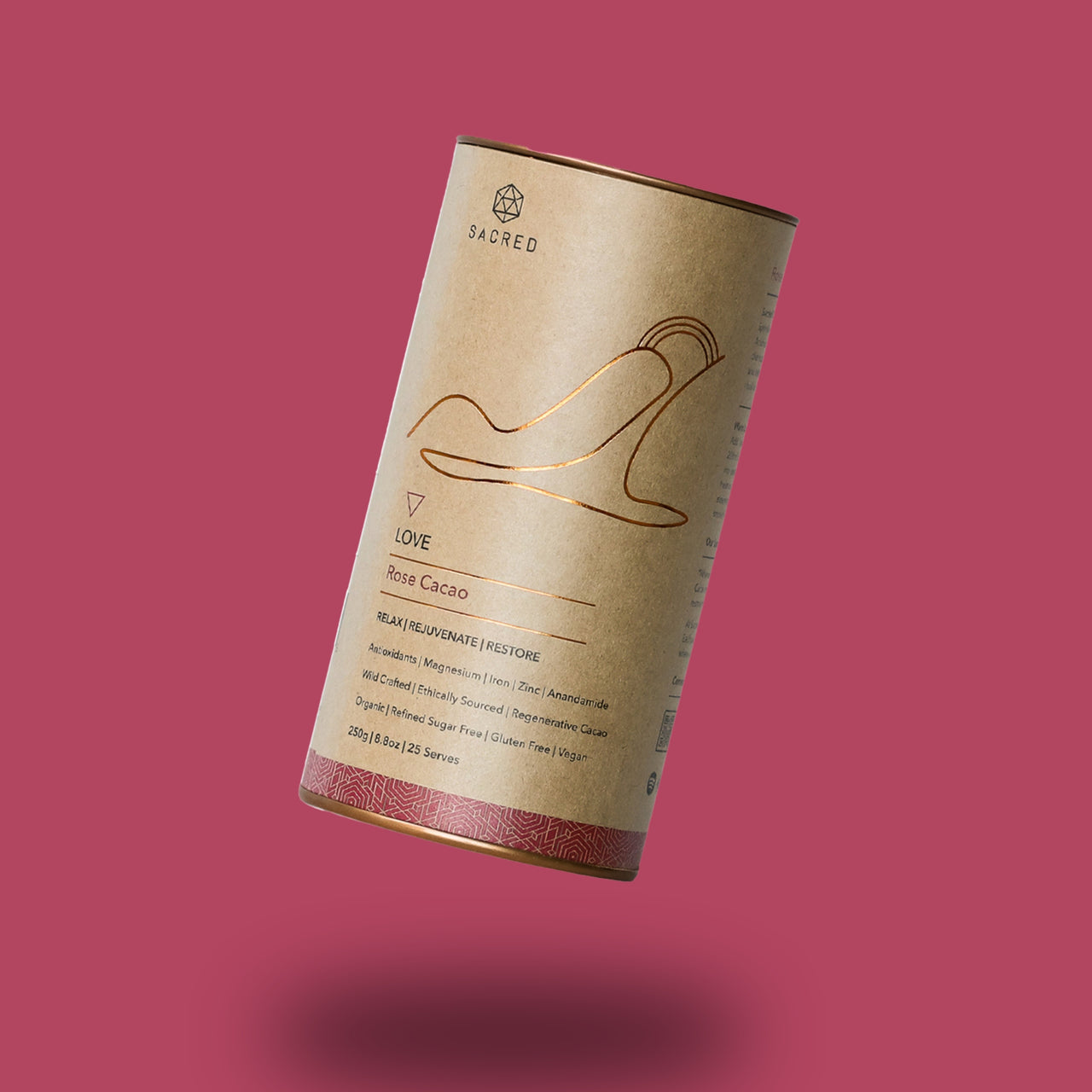









There’s something comforting about sitting down with a warm mug of cacao on a chilly Melbourne evening. Beyond the rich taste and the ritual, there’s a deeper story inside that cup — a compound called theobromine. It doesn’t get as much attention as caffeine, yet it’s been part of human history for centuries, carried in the seeds of the cacao tree and shared in ceremonies, kitchens, and quiet moments of reflection.
I first learned about theobromine in a small village in Peru, where elders explained that cacao’s gentle energy was different to coffee. They spoke of how it “opens the heart” rather than jolting the mind. Years later, I can see the science catching up with what Indigenous communities have long understood: theobromine is a unique stimulant, working in its own subtle way.
What Is Theobromine And How Does It Work?
Theobromine is a naturally occurring alkaloid found most abundantly in cacao. The very name comes from Theobroma cacao, meaning “food of the gods” — a title that hints at its revered status throughout history. Chemically, it sits in the same family as caffeine and theophylline, but the way it acts on the body is notably different.
Where caffeine is like a bolt of lightning — quick, sharp, sometimes overwhelming — theobromine is more like a steady campfire; it provides warmth, presence, and clarity, but without the jitters or the sudden crash. The difference comes down to structure: theobromine lacks one methyl group that caffeine carries, and that tiny shift alters how our nervous system responds.
How Theobromine Works In The Body?
Inside the body, theobromine works by blocking adenosine receptors — the same receptors that tell us when we’re drowsy. By doing so, it helps us feel alert and awake. Unlike caffeine, it doesn’t strongly stimulate the central nervous system, which explains why the energy feels calmer and steadier.
It also has a role as a vasodilator, widening blood vessels and improving circulation. That’s one reason why some people feel a sense of warmth spreading after drinking cacao. On top of that, it mildly relaxes smooth muscles in the lungs, supporting easier breathing — a feature that makes it useful as a natural cough reliever.
Here’s a simple comparison that highlights the difference:
|
Compound |
Main Action |
Onset & Duration |
Energy Profile |
|
Caffeine |
Strong CNS stimulant |
Quick onset, short half-life (3–5 hrs) |
Fast, sharp, often jittery |
|
Theobromine |
Gentle adenosine blocker, vasodilator |
Slow onset, longer half-life (6–10 hrs) |
Smooth, steady, heart-opening |
From my own experience, I often recommend people try swapping their second coffee of the day for a cacao-based drink. The change is noticeable: fewer crashes, less anxiety, and a softer kind of clarity that carries through.
Theobromine Vs Caffeine: Key Differences Explained

Most people know caffeine inside out. It fuels Melbourne’s café culture, keeps office workers buzzing, and fills takeaway cups lining the streets each morning. Theobromine, though, tends to fly under the radar — yet it offers an alternative that’s worth understanding.
Chemical Structure And Energy Profile
On paper, theobromine and caffeine look almost identical. The difference is a single methyl group, but that subtle detail changes how the body reacts. Caffeine is absorbed quickly, sparking the central nervous system into action. Within minutes, heart rate rises, alertness peaks, and energy feels immediate — though often short-lived.
Theobromine, on the other hand, plays the long game. It takes two to three hours to reach its peak and lingers in the bloodstream for six to ten hours. Instead of a spike, you get a slow burn. Think of caffeine as a sprint and theobromine as a steady bushwalk — one leaves you breathless, the other carries you through the day at a manageable pace.
I’ve seen this firsthand during cacao ceremonies. Participants who are used to coffee often expect a sudden jolt. Instead, they notice a warm clarity that creeps in gently. By the time we’re halfway through meditation or sharing, the theobromine has settled into their system, supporting focus without the racing thoughts that caffeine can bring.
Which Is Better For Focus And Energy?
This really comes down to context. A university student cramming for exams might swear by caffeine for the instant hit, but they’ll often crash mid-afternoon, needing another cup just to stay upright. By contrast, a yoga teacher preparing to guide a three-hour workshop may find theobromine far more suitable — it sharpens awareness without leaving the body restless.
Here’s a quick scenario: imagine someone in Melbourne’s CBD starting their workday with a double espresso. They’re alert at 9 am but jittery by 10:30, reaching for a muffin to balance out the crash. Now picture another person beginning with a cacao-based drink rich in theobromine. Their energy builds slowly, carries them through the morning, and by the time lunch rolls around, they’re still steady.
To make it clearer, here’s a practical comparison:
|
Feature |
Caffeine |
Theobromine |
|
Onset |
15–45 minutes |
1–3 hours |
|
Duration |
3–5 hours |
6–10 hours |
|
Nervous System Impact |
Strong CNS stimulation |
Mild to none |
|
Energy Feel |
Quick, intense, jittery |
Gentle, smooth, lasting |
|
Crash/Withdrawal |
Common |
Rare |
From my perspective, theobromine isn’t about replacing caffeine altogether but about choosing the right tool for the job. There are days when you need the rocket fuel of coffee, and others when a slow-burning energy source better supports body and mind.
Natural Sources Of Theobromine
Theobromine is most famous for its presence in cacao, but it shows up in other plants, too. Knowing where it comes from helps people make conscious choices about how they consume it — whether through food, drinks, or ceremonial use.
Theobromine In Chocolate And Cacao
Cacao is the undisputed champion when it comes to theobromine content. Dark chocolate, ceremonial cacao, and pure cocoa powder are rich sources, with amounts varying depending on how the beans were grown and processed.
Here’s a handy guide to show typical levels:
|
Food/Drink |
Average Serving Size |
Approx. Theobromine Content |
|
Dark chocolate (70–85% cacao) |
100 g block |
~883 mg |
|
Dark chocolate (40 g serving) |
40 g |
300–400 mg |
|
Ceremonial cacao drink |
1 standard cup |
~300 mg |
|
Cocoa powder |
1 tablespoon (10 g) |
~200 mg |
|
Milk chocolate |
40 g bar |
60–120 mg |
|
Chocolate spread (per tablespoon) |
15 g |
20–50 mg |
When I host cacao circles in Melbourne, I often remind participants that one serving already gives the body enough theobromine for noticeable effects. People sometimes assume more equals better, but too much cacao can make the heart race or the stomach churn. The key is balance.
Other Sources Beyond Chocolate
While cacao leads the pack, theobromine isn’t exclusive to it. Some teas and plants also contain smaller amounts:
- Black tea: Around 3–4 mg per cup, depending on the leaf and brew time.
- Green tea: Lower again, often under 2 mg per cup.
- Yerba mate: A South American infusion with modest levels of theobromine and caffeine.
- Kola nuts and guarana berries: Traditionally used in energy tonics, containing a blend of methylxanthines (caffeine, theobromine, theophylline).
Interestingly, coffee — the drink most people assume shares the same compounds — contains virtually no theobromine. That’s one reason why the energy profiles of coffee and cacao feel so different.
Imagine two people sharing afternoon tea: one with a slice of dark chocolate and another with a cup of black tea. The chocolate eater could be getting nearly 100 times more theobromine in that sitting. It’s a reminder of how potent cacao truly is compared to other natural sources.
Theobromine Benefits Backed By Science
For centuries, people have spoken of cacao’s heart-opening and uplifting qualities. Today, research is confirming much of what traditional cultures already knew. Theobromine is the main driver behind many of these benefits, and when consumed mindfully, it can support the body in remarkable ways.
Theobromine And Heart Health
One of the most powerful effects of theobromine is its role as a vasodilator — widening blood vessels to improve circulation. This action helps reduce arterial stiffness, lowers blood pressure, and increases blood flow. I’ve often noticed people in ceremony describe a gentle warmth through their chest after drinking cacao. That’s theobromine at work, expanding blood vessels and enhancing circulation.
Research suggests it may also reduce LDL cholesterol (the “bad” type) while supporting HDL cholesterol (the “good” type). In practical terms, that could mean fewer cardiovascular risks over time. For Australians keeping an eye on heart health — something our local GPs always highlight — this natural support is worth attention.
Respiratory And Anti-Cough Properties
Theobromine acts as a bronchodilator, relaxing smooth muscle in the lungs and opening airways. It’s even been shown in studies to outperform codeine as a cough suppressant. That might explain why a warm cacao drink has always felt soothing during winter months in Melbourne, when colds and chesty coughs are more common.
I once guided a mid-year circle where several people turned up with winter sniffles. By the end of the evening, they reported easier breathing and calmer lungs — an effect that lines up neatly with what the science tells us.
Cognitive And Mood Support
Unlike caffeine, which can whip the nervous system into a state of overdrive, theobromine provides alertness without tension. People often describe feeling clear, focused, and calm. Some studies even show improvements in mood, with increases in feelings of pleasure and reduced anxiety.
During a cacao gathering, I watched one participant — a stressed university student — relax into stillness after a few sips. She later shared that she felt both awake and grounded, a combination she’d never experienced from coffee.
There’s also promising evidence that theobromine may have neuroprotective effects. By supporting blood flow to the brain and reducing oxidative stress, it could play a role in maintaining memory and preventing damage from conditions like stroke.
Additional Benefits To Explore
Theobromine’s impact doesn’t stop there. Other research points to:
- Diuretic effects: Encourages healthy fluid balance and reduces mild bloating.
- Dental health: May strengthen enamel and prevent cavities more effectively than fluoride.
- Anti-inflammatory and anti-tumour properties: Early findings show reduced oxidative stress and slowed tumour growth in some studies.
- Insulin sensitivity: Improved response to glucose, suggesting benefits for metabolic health.
Here’s a simple benefits checklist for quick reference:
Checklist: Key Theobromine Benefits
- Supports healthy blood pressure and circulation
- Relieves coughs and eases breathing
- Improves mood, focus, and calmness
- Acts as a gentle diuretic
- Strengthens dental enamel
- Reduces inflammation and oxidative stress
- May improve insulin sensitivity
From my own practice, I’ve found that people often notice the mental and emotional effects first — clearer focus, better mood, calmer energy. The cardiovascular and metabolic benefits build quietly in the background, more like a long-term gift than an immediate sensation.
Theobromine Effects On The Body: What To Expect?

When people try cacao for the first time, they often ask me, “How will it feel?” Unlike coffee, which can be predictably buzzy, theobromine’s effects are subtler and more spread out over time. Knowing what to expect helps people enjoy the experience without surprise.
Onset, Duration, And Energy Feel
Theobromine doesn’t rush. After drinking a cacao-based drink, most people notice the first signs of energy about an hour later, with peak effects around the two to three-hour mark. The lift is steady and can last well into the evening, thanks to a half-life of six to ten hours.
I often compare it to Melbourne’s weather in spring — shifting gradually, never all at once. There’s a slow build of warmth and clarity rather than a storm of nervous energy. Many people describe it as a “heart-opening” sensation: relaxed but alert, calm yet focused.
A common pattern looks like this:
|
Time After Consumption |
What You May Notice |
|
0–30 minutes |
Subtle alertness, gentle warmth |
|
1–2 hours |
Clearer focus, improved mood, easier breathing |
|
2–3 hours |
Peak circulation effects, sense of calm energy |
|
4–6 hours |
Sustained clarity without crash |
|
6–10 hours |
Effects taper off smoothly |
In practice, this means if you enjoy cacao at 10 am, you’ll likely still feel its presence through the afternoon — perfect for work, creative projects, or slow weekend rituals.
How Much Is Safe To Consume?
Moderation matters. For most adults, a daily intake of 300–600 mg of theobromine is considered safe. To put that in perspective:
- A 40 g serving of dark chocolate offers about 300–400 mg.
- A ceremonial cacao drink provides roughly 300 mg.
- Milk chocolate contains much less — around 60–120 mg per bar.
Here’s a quick guide:
|
Food/Drink |
Typical Serving |
Approx. Theobromine |
Safe Daily Equivalent |
|
Dark chocolate (70%+) |
40 g |
300–400 mg |
1 serving |
|
Cocoa powder |
10 g (1 tbsp) |
~200 mg |
1–2 servings |
|
Ceremonial cacao drink |
1 cup |
~300 mg |
1 serving |
|
Black tea |
1 cup |
3–4 mg |
Not significant |
From experience, I’ve noticed that people who swap out their second or third coffee for cacao not only feel more balanced but also sleep better. Still, it’s best to avoid drinking large doses of theobromine late in the evening — it may not overstimulate the nervous system, but it can keep the body quietly alert when you’d prefer to wind down.
Theobromine Side Effects And Safety Considerations
While theobromine is considered safe for most people when consumed in moderate amounts, it’s not entirely without risks. Just like too much coffee can leave you wired, too much theobromine can have its drawbacks.
Common Side Effects At High Doses
When intake climbs above 500–600 mg a day, some people begin to notice unwanted effects. These often include:
- Headaches or light nausea
- Restlessness and irritability
- Digestive discomfort or loss of appetite
- Sweating, trembling, or a “racing” feeling
I remember one friend in Melbourne who, after indulging in a particularly heavy slab of dark chocolate (close to 100 g), spent the night tossing and turning with a pounding heartbeat. It was a reminder that even natural compounds can cause discomfort if overdone.
Cardiovascular And Psychological Effects
Because theobromine widens blood vessels, it can occasionally lower blood pressure too much. This may leave some people feeling dizzy or lightheaded, especially if they already have low blood pressure. On the other hand, in sensitive individuals, it can speed up the heart rate and cause palpitations.
Psychologically, while many people report improved mood and calmness, others may experience anxiety or irritability at high doses. It’s rare, but it happens — everyone’s body chemistry is different.
Is Theobromine Safe For Everyone?
Most healthy adults tolerate moderate consumption without issue. Still, there are groups who should be cautious:
- Pregnant and breastfeeding women: Theobromine does pass into breast milk and has a longer half-life in pregnancy, so it’s best to check with a healthcare provider.
- People with heart or kidney problems: Because it can affect circulation and fluid balance, medical advice is wise.
- Children: Smaller bodies can be more sensitive to stimulants, so portion control is essential.
In Australia, food safety guidelines emphasise moderation with all stimulants, and cacao is no exception. While there are no strict theobromine limits in local regulations, health professionals usually recommend treating it like caffeine — something to enjoy, but not in excess.
Theobromine Toxicity In Animals
Perhaps the most serious risk of all: pets must never consume chocolate or cacao. Unlike humans, dogs and cats metabolise theobromine extremely slowly, meaning even small amounts can be poisonous.
To put it into perspective:
- A small dog eating just 50 g of dark chocolate could be at risk of seizures, heart failure, or worse.
- Milk chocolate is less dangerous per gram, but still unsafe.
I’ve had neighbours rush their dog to a Melbourne emergency vet after it raided a box of chocolates — a scary but common story. For safety, always keep cacao and chocolate products out of reach of animals.
Theobromine may not have the fame of caffeine, but it carries its own quiet power. Found abundantly in cacao, it offers a smoother, longer-lasting form of energy without the crash. Beyond stimulation, it supports heart health, eases breathing, uplifts mood, and may even protect teeth and brain function.
From my own journey with cacao, I’ve seen how theobromine creates space for clarity and calmness in a way coffee rarely does. It’s gentle enough to sit with in meditation, yet strong enough to carry someone through a busy workday. Like any stimulant, it deserves respect — enjoyed in moderation, with an awareness of its effects on the body, and always kept away from pets.
For Australians seeking an alternative to the coffee-fuelled cycle, theobromine offers a path that is both grounding and sustainable.