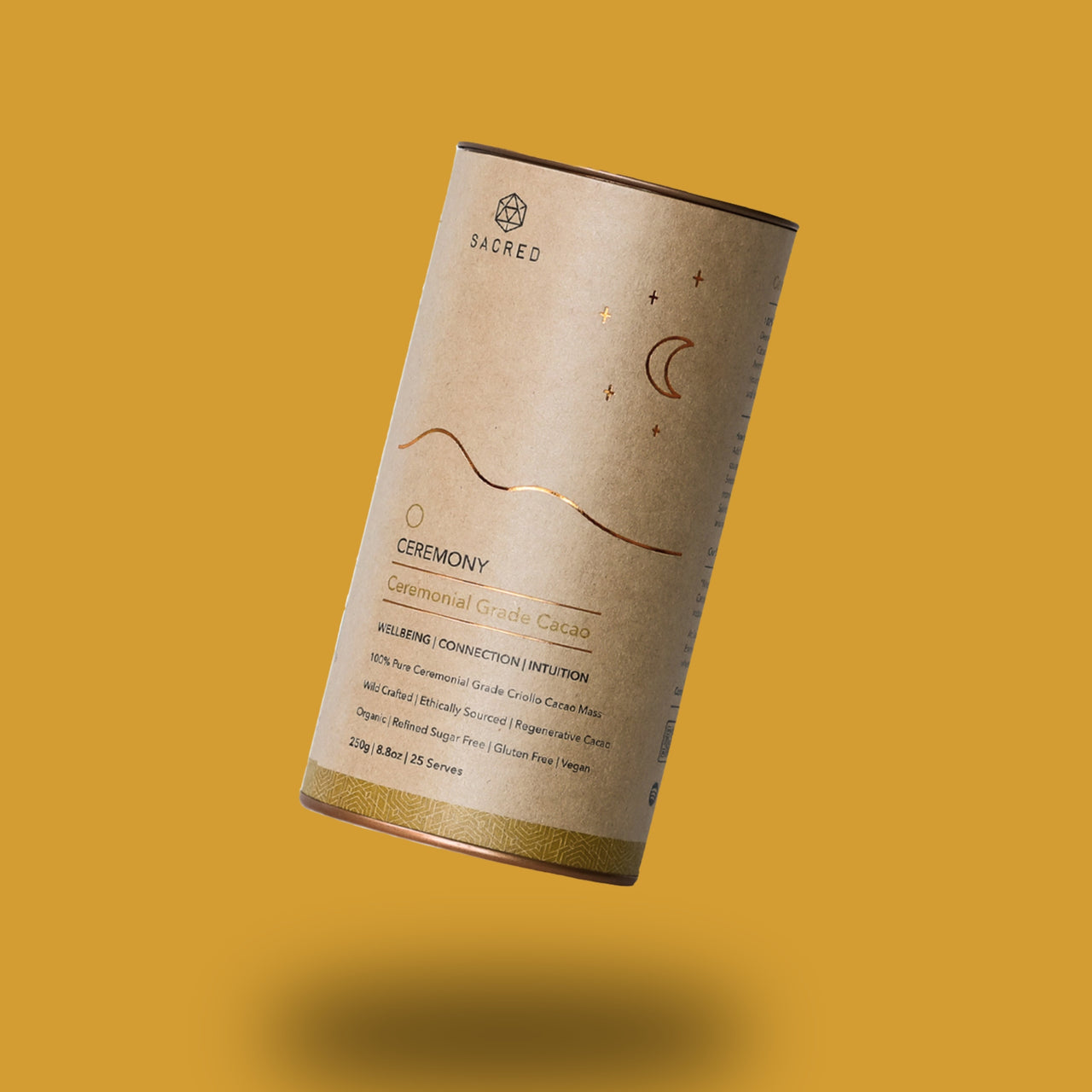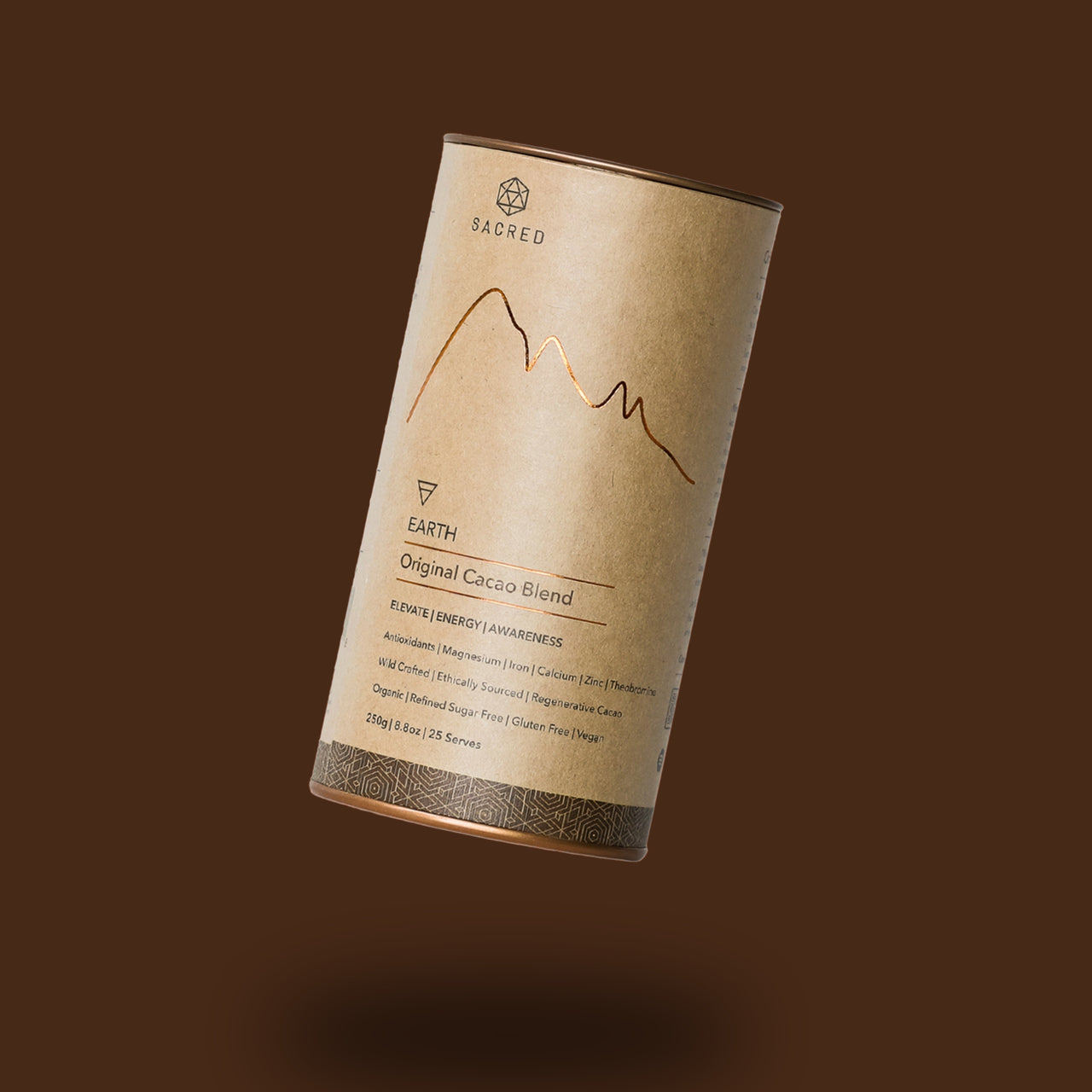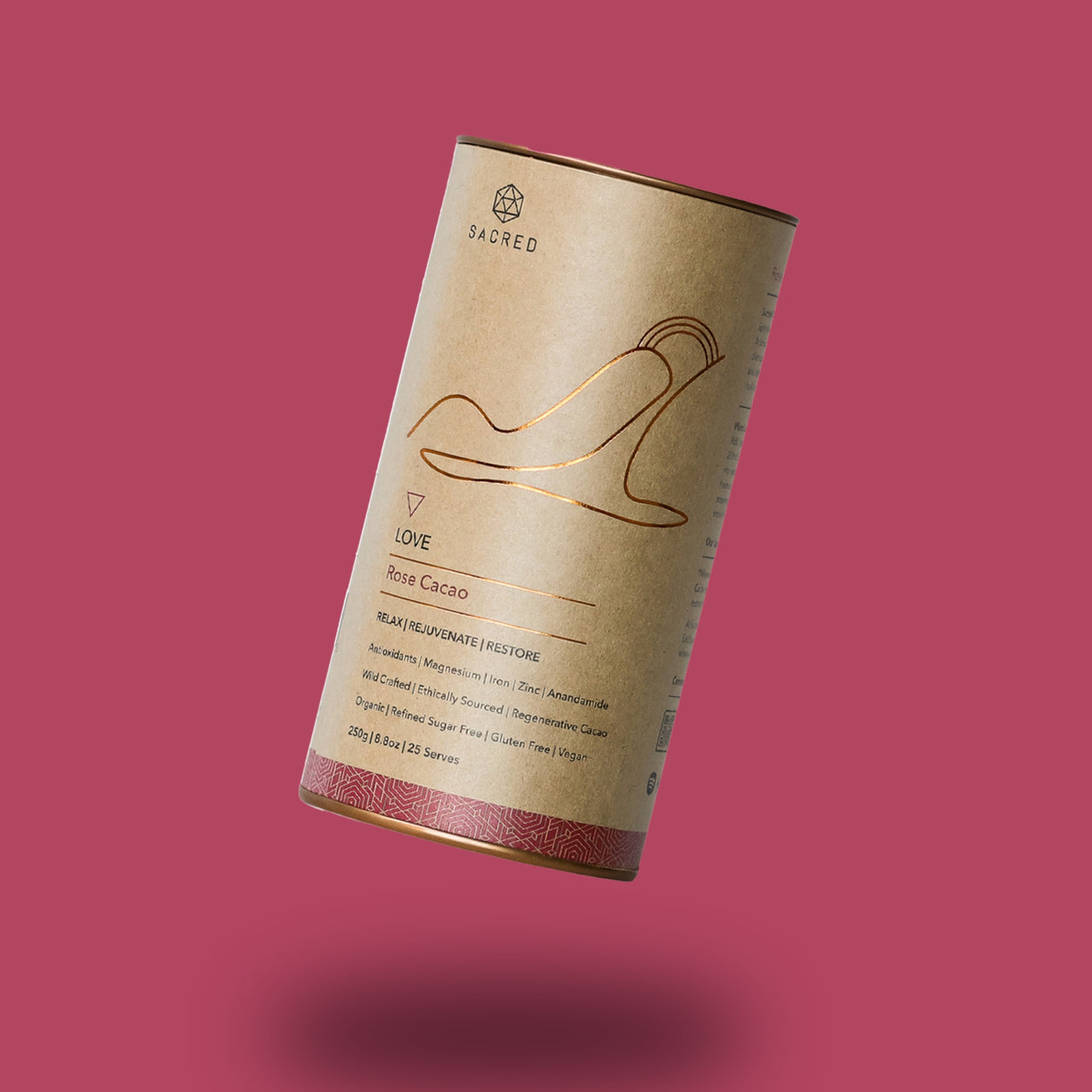










Cacao powder is far more than just a kitchen staple—it’s the essence of chocolate in its purest form, and when chosen wisely, it can make all the difference in the flavour, health benefits, and richness of your recipes. But not all cacao powders are created equal. From the beans’ origin to the processing methods, every detail can influence the quality of cacao powder. Over the years, I’ve learned just how vital it is to choose high-quality cacao, whether I’m making a batch of brownies or mixing it into my morning smoothie. It’s like choosing the right coffee bean—once you experience the difference, there’s no going back. In this blog, we’ll explore what makes cacao powder truly great, how to select the best quality, and why the right choice can elevate your cooking and health.
Let’s begin by clearing up the confusion between cacao and cocoa—two terms often used interchangeably, yet they’re not quite the same.
The Truth About Cacao Vs. Cocoa – What’s The Real Difference?
When I first started experimenting with cacao in my kitchen, I was blissfully unaware of the subtle yet significant difference between cacao and cocoa powder. To be honest, I was just excited to bake a chocolate cake. But after digging deeper, I quickly realised that understanding the distinction was key to selecting the best ingredients for my recipes.
What Sets Cacao Powder Apart From Cocoa?
The first thing to know is that cacao powder is made from raw, unprocessed cacao beans. These beans are cold-pressed, which helps preserve their natural enzymes, minerals, and antioxidants. This minimal processing keeps the cacao powder as close to its natural state as possible, maintaining much of its nutritional integrity. If you're looking for the purest form of chocolate, this is the gold standard. Cacao powder’s rich, slightly bitter flavour can be intense, but it packs a punch when it comes to health benefits. It’s loaded with magnesium, iron, and flavonoids, making it a powerhouse for boosting your mood and energy levels.
On the other hand, cocoa powder is the product of cacao beans that have been roasted at high temperatures. While this process does add depth and complexity to the flavour, it also strips away some of the nutrients, especially antioxidants. The roasting process changes the molecular structure of the cacao, which can result in a slightly milder taste and a reduction in health benefits. In my experience, when using cocoa, I often have to adjust for the loss in complexity, either by adding extra spices or relying on sugar to balance the flavours.
Why Raw Cacao Is The Purest Form Of Chocolate?
When it comes to cacao, raw is always the way to go—at least if you’re after all the nutritional goodness. During my time working on a few chocolate dessert recipes, I found that raw cacao powder gives a vibrant, rich chocolate taste with an edge of natural bitterness, making it perfect for everything from raw brownies to smoothies. The key here is that raw cacao retains more of the beneficial compounds like antioxidants and magnesium, which can support heart health, improve mood, and enhance cognitive function.
Think of raw cacao as an uncut gem: the processing preserves its raw essence, and if you're someone who enjoys chocolate’s complex flavour, raw cacao brings a deep, bold experience. For instance, when I added raw cacao powder to a smoothie with coconut milk, bananas, and a dash of cinnamon, the result was nothing short of luxurious, with an earthy undertone that was much more satisfying than a processed cocoa version.
How Cacao Processing Affects Taste, Texture, And Nutritional Value?
When it comes to cacao, the method of processing can dramatically impact not just the flavour and texture, but also the nutritional profile. In my experience, experimenting with different types of cacao powder has made me realise that the subtle differences in processing methods often mean the difference between a mediocre chocolate cake and a show-stopping one. Whether you’re baking a decadent flourless chocolate cake or blending up a protein-packed smoothie, the cacao’s processing method is a key player.
The Role Of Natural Vs. Alkalized Cocoa Powder
One of the most significant factors in the processing of cacao powder is whether it is natural or alkalized (also known as Dutch-processed). Now, let me take you through these two options from a baker’s perspective:
Natural Cocoa Powder: This type of cocoa powder has not been treated with any alkali to neutralise its acidity, so it retains the natural tanginess of the cacao bean. It has a slightly red-brown colour and offers a sharp, almost citrusy flavour that can add depth to your recipes.
I remember the first time I used natural cocoa powder in a batch of chocolate cookies. The flavour was more complex, with a noticeable acidity that gave the cookies an unexpected punch. Natural cocoa’s acidity reacts beautifully with baking soda, helping the dough rise and making the cookies light and airy. It's ideal for recipes where you're looking for a more intense, tangy flavour profile, like chocolate cakes or even some rich chocolate ice cream.
Alkalized (Dutch-Process) Cocoa Powder: On the flip side, alkalized cocoa powder has been treated with an alkaline solution (like potassium carbonate) to reduce its acidity. This process makes it milder, smoother, and less bitter. The cocoa becomes darker, with a rich, smooth flavour that’s often preferred in hot chocolate or milk-based drinks.
When I first tried using alkalized cocoa in a batch of brownies, I noticed the flavour was far more mellow and less intense compared to when I used natural cocoa. The texture was also richer and denser—thanks to the smoother, milder flavour profile that didn’t overpower the sweetness of the sugar and butter. Alkalized cocoa is perfect for baking recipes that require baking powder since it doesn't have the acidity to react with baking soda. This is why you often see it used in rich, fudgy desserts like brownies and chocolate muffins.
Impact Of Alkalization On Health Benefits And Flavour
However, it’s important to note that the alkalization process can strip away many of cacao’s valuable antioxidants and flavonoids. These compounds are a big reason cacao has earned its "superfood" status. In fact, natural cocoa retains far more of these beneficial compounds. That’s why if you’re looking to maximise the health benefits of cacao—especially for things like heart health or cognitive function—natural cocoa is your best bet.
The way I see it, if you’re after a decadent dessert and taste is your priority, go for the alkalized cocoa. But, if you're trying to pack in the health benefits or prefer a more robust, slightly tangy chocolate flavour, natural cocoa is the winner. For my morning smoothies, I always opt for raw cacao or natural cocoa powder since it keeps me feeling energised for longer, thanks to its richer nutritional profile.

Why Fat Content In Cacao Powder Matters More Than You Think?
Now that we’ve covered the differences between cacao and cocoa powder and the processing methods, let's talk about another major factor that influences quality: the fat content in cacao powder. You might not think about this when you’re grabbing your bag of cacao, but trust me—it makes a world of difference in both flavour and texture.
Low-Fat Vs. High-Fat Cacao Powder: Which Is Better?
The fat content of cacao powder directly impacts its richness and mouthfeel. In fact, when I first started baking with cacao, I didn’t pay much attention to the fat content and wondered why my cakes sometimes felt dry or lacked that indulgent chocolate flavour. It wasn’t until I looked more closely at the labels that I realised—low-fat cacao often leaves much to be desired in terms of flavour and texture.
Low-Fat Cocoa Powder: Low-fat cacao powder contains around 10-12% cocoa butter, and while it’s cheaper, it often lacks the rich, velvety texture you might be hoping for in your baked goods. In my own baking, I’ve noticed that using low-fat cacao can make cakes and brownies drier and crumblier, as the powder absorbs more moisture than high-fat varieties.
I remember experimenting with a low-fat cocoa powder once in a chocolate cake recipe, hoping it would help the cake rise better. Sure, it was light and fluffy, but the chocolate flavour was weak, and the cake lacked the depth I was looking for. It wasn't until I switched to a higher-fat cacao powder that the flavour really shone through.
High-Fat Cocoa Powder: In contrast, high-fat cocoa powders contain upwards of 20-25% cocoa butter, which gives them a much richer, smoother texture. These powders produce moist, decadent chocolate cakes, fudgy brownies, and even creamy chocolate drinks. I’ve used high-fat cocoa powder in making homemade chocolate mousse, and the result was so indulgent that it could easily rival any professional dessert.
High-fat cacao has a deeper, more robust chocolate flavour and contributes to a smoother mouthfeel. When I’ve used high-fat cacao in cookies, they turn out beautifully chewy, with that perfect, melt-in-your-mouth chocolate taste. In fact, I often choose high-fat cacao when I’m making anything that needs a rich, velvety finish, from brownies to chocolate ice cream.
Cacao Bean Origin: The Secret Ingredient Behind Exceptional Flavour
If you’ve ever sipped on a fine chocolate drink or tasted a perfectly crafted chocolate cake, you might have wondered what gives certain cacao powders their unique flavours. While the processing methods are important, the origin of the cacao beans plays an equally significant role in the final product.
In my own experience, I’ve found that the flavour complexity of cacao can vary dramatically depending on where the beans come from. The climate, soil composition, and even the altitude where the cacao is grown—just like coffee beans or wine grapes—can shape the final taste profile. This concept is known as terroir, and it’s something that I’ve come to appreciate more and more the longer I work with cacao.
How Cacao’s Terroir Affects Its Taste Profile?
Think of terroir as the "soul" of the cacao—the same way a wine’s flavour is influenced by the soil and climate where the grapes are grown. In fact, in regions like Queensland, where cacao cultivation is growing, you can taste the difference between beans grown in the tropics near the coast and those grown in the higher altitudes of the hinterlands. The beans from these regions develop different flavour notes, which can be sweet, fruity, earthy, or even floral. It’s a bit like tasting the difference between a fresh Sydney summer mango and a tangy, tropical fruit. Both are fantastic, but their flavour profiles are shaped by their environment.
For instance, I recently tried two cacao powders—one sourced from the lush farms of Papua New Guinea and another from the mountainous regions of Ecuador. The difference was night and day. The Papua New Guinea cacao had a distinctly floral and slightly citrusy flavour, while the Ecuadorian cacao had deep, rich, earthy notes with a hint of sweetness. The choice of cacao origin can completely alter the experience of your chocolate recipes.
Exploring The Four Main Varieties Of Cacao Beans
Much like wine, cacao comes in various varieties, each with its own flavour nuances. Here’s a quick look at the four main types:
- Criollo: Often referred to as the "king" of cacao varieties, Criollo is known for its complex and delicate flavours. Think of it as the high-end option, used in premium chocolate products. It’s a rare variety that is prized for its mild acidity, fruity and floral notes, and low bitterness. If you’re after a cacao powder that offers sophisticated flavours, Criollo is the way to go. I’ve used Criollo cacao in gourmet truffles, and the result was nothing short of extraordinary, with a smooth, multi-layered chocolate taste.
- Forastero: This variety is the most widely grown, accounting for the majority of global cacao production. Forastero beans are hardier and less complex in flavour, often exhibiting earthy and woody notes. While it may lack the subtleties of Criollo, Forastero cacao is dependable, and many mass-market chocolates are made from it. When I used Forastero cacao in a batch of homemade chocolate bars, the flavour was straightforward and satisfying, but not as refined as I’d hoped.
- Trinitario: A hybrid of Criollo and Forastero, Trinitario cacao beans offer a balanced flavour profile. It retains some of the aromatic complexity of Criollo while also being hardier, like Forastero. If you’re looking for a versatile cacao that works well in everything from baking to chocolate drinks, Trinitario is an excellent choice. I find Trinitario to be the "all-rounder" that consistently delivers great results in recipes without overpowering the other ingredients.
- Nacional: This variety is often cultivated in Ecuador and is known for its floral and fruity notes, with some beans even carrying a distinct jasmine aroma. Nacional cacao is considered a rare delicacy, prized by chocolate makers who want to create unique, high-quality products. I once used Nacional cacao in a batch of chocolate-covered almonds, and the floral undertones added a beautiful complexity to the chocolate, elevating the whole snack.

Fine Flavour Vs. Bulk Cacao: Why It Matters For Your Recipes?
It’s also important to consider whether you’re using fine-flavour cacao or bulk cacao. While only about 6% of the world’s cacao is classified as "fine flavour," this percentage is what makes all the difference in the final taste. Fine flavour cacao is cultivated with care, using heirloom varieties like Criollo or Nacional, and is often grown on smaller, more specialised farms. The beans are fermented and dried with precision, which allows their natural flavour notes to shine through. When I’ve used fine flavour cacao in my recipes, the end result has been noticeably more aromatic, with richer and more nuanced flavours.
In contrast, bulk cacao is grown for mass production and often lacks the same level of care. It may be grown in large monoculture plantations, where flavour takes a backseat to yield and efficiency. Bulk cacao tends to have a more straightforward, less complex flavour profile, which is why it’s commonly used in commercial chocolate products.
The Essential Role Of Post-Harvest Processing In Cacao Quality
Even after the cacao beans are harvested and sorted, their journey to becoming cacao powder is far from over. Post-harvest processing plays a crucial role in shaping the quality of the final product, influencing everything from flavour to texture and overall freshness.
Why Fermentation Is Key To Flavour Development?
One of the most important post-harvest steps is fermentation. After the cacao beans are harvested, they’re placed in shallow containers where they are allowed to ferment. This process is crucial for developing the chocolatey flavours that we all recognise and love. During fermentation, the beans undergo biochemical changes, which break down undesirable compounds and enhance the desirable flavours. I’ve had the privilege of visiting a few cacao farms in northern Queensland, where I saw first-hand how critical fermentation is to the final flavour. Without it, cacao beans would taste bitter and sour, lacking the smooth, rounded flavour that makes good chocolate so irresistible.
Roasting And Drying: How They Influence Cocoa Powder Quality?
Following fermentation, cacao beans are dried and roasted. The drying process ensures that the beans don’t develop mould, while also helping to concentrate their flavours. But it’s during roasting that the true magic happens. Roasting brings out the chocolatey, caramel, and nutty flavours that give cacao its signature taste. The key is to roast the beans at the right temperature and for the right amount of time. Too high a temperature, and you risk burning the beans; too low, and you may miss out on the depth of flavour that comes from properly roasted cacao.

How To Identify High-Quality Cacao Powder?
Now that we’ve covered the origins, processing methods, and types of cacao, let’s focus on how actually to identify high-quality cacao powder. The difference between a premium cacao powder and a low-grade one can be subtle but significant—especially when it comes to taste, texture, and health benefits. After a few years of working with cacao in my kitchen, I’ve developed a few foolproof ways to tell if a cacao powder is top-notch. Here’s what to look for:
Key Indicators Of High-Quality Cacao
When you’re shopping for cacao powder, there are several visual and sensory clues that can tell you whether it’s worth the investment.
- Colour: The first thing I always check is the colour. Good-quality cacao powder should have a rich, deep hue. If it’s natural cacao, expect a reddish-brown tint, while alkalized cacao will have a darker, almost chocolate-brown shade. However, steer clear of cacao powders that are pale, have a dull colour, or show any white spots. These white spots are often a sign of fillers or poor-quality beans. One time, I picked up a cacao powder that appeared a bit pale and noticed an almost chalky texture when I mixed it into my baking. It didn’t have the vibrancy or richness I expected, so I quickly switched to a different brand.
- Texture: When it comes to the texture, quality cacao powder should feel smooth and fine. Coarser powders can be a sign of poor refinement. I’ve had a few experiences where I used cacao powder that was too gritty, and it resulted in a less-than-ideal mouthfeel in my baked goods and drinks. A smooth, velvety texture is the hallmark of premium cacao.
- Aroma: A pure cacao powder will have a strong, pleasant chocolate aroma. When I first opened a package of freshly sourced cacao, I was instantly hit with a deep, earthy scent—rich and slightly bitter, but undeniably chocolatey. If your cacao powder smells overly sweet or has an artificial scent, it’s likely been mixed with additives or low-quality ingredients. A good quality cacao powder should smell like pure chocolate, with no added vanilla, milk, or sugar.
What To Look For On The Ingredients List To Ensure Purity?
One of the easiest ways to identify high-quality cacao powder is by reading the ingredients list. I’ve learned to be picky here. A good cacao powder should contain one thing: cacao. That’s it. If you see any additional ingredients like sugar, milk, vanilla, or artificial flavours, you’re not dealing with pure cacao. In fact, when I first started baking with cacao, I found myself mistakenly picking up powders with added sugars or flavours, thinking they were "cocoa". This mistake led to overly sweet, artificial-tasting results that didn’t showcase the true flavour of the chocolate.
For example, when I was experimenting with cacao-based smoothies, I chose a cacao powder that listed "vanilla extract" as an ingredient. While it did taste nice, the pure cacao flavour was diluted, and I missed that intense chocolate punch. Now, I stick to products with just "cacao" listed, and it makes all the difference.
Fat Content: How To Choose The Right One?
Checking the fat content is another key step when choosing high-quality cacao powder. High-fat cacao powder contains more cocoa butter, which gives it a richer, smoother texture. As I mentioned earlier, when I switched to using high-fat cacao in my baking, it made a noticeable difference—my cakes and brownies became richer and more indulgent. If you’re after a creamy texture, whether for chocolate drinks or smoothies, a high-fat cacao powder is what you want.
In fact, you can even rub a small amount of cacao powder between your fingers to test its fat content. High-fat cacao will feel slightly oily—this is a good sign of quality. If it feels dry or powdery, it likely contains less cocoa butter and may be lower quality.

Ethical Sourcing And Sustainability In Cacao Production
As consumers, we’re becoming more conscious of the ethical sourcing and sustainability of the products we buy—and cacao is no exception. The cacao industry, like many others, faces challenges related to fair wages, child labour, and environmental degradation. But the good news is, with more demand for ethically sourced cacao, there are plenty of great brands out there prioritising sustainable practices. Here’s how you can ensure that your cacao powder isn’t just good for your recipes, but also for the planet and the people who produce it.
Why Ethically Sourced Cacao Is Important For Quality And Taste?
In my journey of working with cacao, I’ve come to realise that ethically sourced cacao doesn’t just benefit the farmers and the environment—it also benefits the taste of the final product. There’s something about knowing that cacao is grown under fair conditions that adds an intangible sense of quality to the powder itself.
One time, I had the opportunity to visit a cacao farm in northern Queensland that was part of a direct trade programme. The farmers there were paid fairly for their beans, and the result was an extraordinary batch of cacao that had a cleaner, more complex flavour. It wasn’t just about the taste—it was about knowing that the farmers were using sustainable farming methods, promoting biodiversity, and taking care of the land for future generations.
How Direct Trade Improves Cacao Quality And Farmer Relationships?
One of the best ways to ensure you’re supporting ethical cacao production is by choosing brands that work directly with farmers, bypassing middlemen who might be taking advantage of them. I’ve seen firsthand how direct trade leads to better quality cacao. Farmers who are paid fairly for their beans have a vested interest in producing the best possible product. Plus, they can reinvest in sustainable farming practices, which leads to a better quality bean in the long run.
On a recent trip to visit a direct trade cacao cooperative, I spoke to a farmer who explained how being paid directly allowed him to invest in better post-harvest processing methods, which in turn improved the flavour of his cacao. This kind of relationship between farmers and chocolate makers is something I now look for in every cacao purchase I make.
Choosing high-quality cacao powder is essential for both the flavour and health benefits it brings to your recipes. As we've explored, cacao is not just a simple kitchen ingredient; it's a complex product influenced by the origin of the beans, their processing methods, and even the ethical practices behind their production. Whether you’re after the purest form of chocolate for your morning smoothies or looking to create a rich, indulgent chocolate dessert, the quality of cacao powder you choose can make all the difference. From understanding the differences between cacao and cocoa to knowing how to identify the best quality, this guide should empower you to make informed choices, ensuring every recipe you create is full of rich, complex flavours and maximum nutritional value.