








There’s a moment just before exercise where you’re weighing up your energy levels. Do you push through with grit alone, or do you give your body a little extra support? For many in Melbourne’s fitness circles, that support is coming from an unexpected source: cacao.
I first tried it before a morning training session at Princes Park. Instead of the shaky buzz I’d get from a strong coffee, cacao gave me a calmer clarity. By the end of the run, I felt energised but not wired — a sweet spot that had me curious enough to dig into the science. And it turns out, there’s a good reason why athletes are leaning towards this ancient plant.
Why Athletes Are Turning To Cacao For Performance?
From Ancient Rituals To Modern Gyms – Cacao’s Evolution
Cacao has been used in ceremonies for thousands of years by the Mayan and Aztec peoples. They called it “food of the gods,” drinking it before battle, ritual, or community gathering. These weren’t just symbolic moments — cacao was known for its ability to sharpen focus and fuel stamina.
Fast-forward to today, and cacao has made its way into yoga studios, gyms, and endurance events across Australia. I’ve seen runners in the Dandenongs sip it before a trail session, and weightlifters at Brunswick gyms use it as part of their pre-training ritual. Just like ancient times, it’s still valued as both a physical and mental aid.
How Cacao Differs From Cocoa (And Why It Matters For Fitness)
When we talk about fitness benefits, it’s vital to understand the difference between cacao and cocoa.
-
Cacao: minimally processed, high in flavanols, antioxidants, and bioactive compounds.
- Cocoa: usually roasted at high temperatures, often with added sugars, which reduces the beneficial flavanol content.
Think of it this way: cacao is closer to the raw bean — richer in the compounds linked to performance and recovery. Cocoa, while still enjoyable, offers fewer of these properties. For athletes, that distinction makes a world of difference.
Here’s a quick comparison:
|
Feature |
Cacao (minimally processed) |
Cocoa (processed/roasted) |
|
Flavanol content |
High |
Lower |
|
Antioxidant capacity |
Strong |
Reduced |
|
Added sugars/preservatives |
Rare |
Common |
|
Fitness benefits |
Greater potential |
Less consistent |
From my experience, when I switched from regular cocoa powder to true cacao, I noticed a subtle but real lift in endurance. It’s not a magic bullet, but it feels like a cleaner, steadier fuel source — something any athlete can appreciate.

Cacao As A Pre-Workout Energy Boost
Theobromine Vs Caffeine – A Cleaner Lift In Energy And Focus
Most people lean on caffeine before training — a shot of espresso on Lygon Street before heading into the gym isn’t unusual. But caffeine can come with the downside of jitters or a hard crash mid-afternoon.
Cacao offers a different edge. Its main stimulant is theobromine, which is related to caffeine but acts more gently. Instead of a sharp spike, I’ve found it gives a steady rise — like shifting into a higher gear rather than flooring the accelerator. Theobromine works as a vasodilator, widening blood vessels, improving blood flow, and enhancing oxygen delivery. For exercise, that means better focus, improved muscle function, and a heightened sense of physical awareness.
It also contains a touch of caffeine, and together, the pair can create clarity without the crash. On days when I’ve trained early and needed to keep working until late, cacao has been the smoother option.
How Cacao Pre-Workout Benefits Compare To Synthetic Supplements?
Walk into any supplement shop in Melbourne and you’ll find tubs of pre-workout powders promising supercharged energy. They’re effective, sure, but they often rely on high doses of synthetic caffeine, artificial flavours, and other additives that can be hard on the nervous system.
Cacao, on the other hand, is a natural pre-workout supplement. It won’t make you feel like you’re bouncing off the walls, but it does provide:
- A clean energy lift without overstimulation.
- Enhanced circulation, thanks to nitric oxide production.
- Mental sharpness and mood elevation from flavanols and theobromine.
It’s less about fireworks and more about stamina and focus — especially useful if you’re training for endurance sports like long-distance running, cycling, or even surfing down on the Mornington Peninsula.
Pre-Workout Practices – Dosage And Timing Examples
What does this look like in practice? Research and anecdotal evidence suggest a few workable approaches:
- Light sessions (yoga, pilates, stretching): 10–15 grams of cacao about 30 minutes beforehand can support focus without overstimulation.
- Strength training or HIIT: 20–30 grams, taken 45–60 minutes before, is often reported to give the best mix of mental clarity and physical drive.
- Endurance events: Some athletes experiment with larger amounts — up to 100 grams — but that’s quite heavy and not suitable for everyone.
Here’s a quick reference table:
|
Type of Workout |
Suggested Cacao Amount |
Timing Before Exercise |
|
Yoga / Light training |
10–15g |
30 minutes |
|
Strength / HIIT |
20–30g |
45–60 minutes |
|
Endurance (long runs, cycling) |
40–100g (not for beginners) |
60 minutes |
From my own trial and error, I’ve found 20 grams before a run around the Tan Track works beautifully — enough to notice sharper focus and steady energy, but not so much that it sits heavy. Like any nutrition strategy, it’s about experimenting and seeing how your body responds.
Cacao And Exercise Performance
Boosting Endurance Through Nitric Oxide And Better Blood Flow
One of cacao’s biggest strengths lies in its ability to support circulation. Thanks to its flavanols — especially epicatechin — cacao can trigger the production of nitric oxide in the body. Nitric oxide relaxes blood vessels, improves oxygen delivery, and can reduce the oxygen cost of exercise.
When I tested this before a long Sunday cycle down Beach Road, I noticed I wasn’t gasping for air as quickly on the hills. It felt like my lungs and legs were working together more efficiently. That’s what the research points to as well — improved endurance through better blood flow.
For athletes in endurance-based sports, like triathlons in Noosa or ultra runs through the You Yangs, that oxygen efficiency can be the difference between finishing strong or burning out halfway.
Cacao And Vo2max – What The Science Shows (And Where It’s Mixed)
VO2max — the maximum rate at which your body can use oxygen — is a gold-standard measure of aerobic fitness. Some studies on cacao intake have shown encouraging increases in VO2max. For example:
- Sedentary adults consuming 20g of dark chocolate daily for three months improved their VO2max by up to 24%.
- Male runners supplementing with 50g of dark chocolate for two weeks increased their VO2max and shifted their anaerobic threshold by nearly 7%.
But it’s not a consistent story. Other research has found little to no effect, especially in well-trained athletes. In fact, one study on soccer players showed no meaningful change in VO2max after cocoa supplementation.
That suggests cacao may offer more noticeable benefits for those building their fitness base, but less so for elite or highly trained athletes who already have finely tuned oxygen uptake.
Fat Oxidation, Muscle Efficiency, And Stamina Support
Beyond VO2max, cacao flavanols appear to influence fat oxidation — helping the body use fat as fuel during exercise. This spares glycogen, the stored carbohydrate that powers muscles, and may delay fatigue.
In practical terms, it’s like having an extra tank of fuel on a long drive. Distance runners, cyclists, and rowers may find they can go further before hitting the dreaded “wall.”
Animal studies also hint that cacao compounds may extend time-to-exhaustion and preserve muscle efficiency, particularly as the body ages. That raises interesting possibilities for older athletes or anyone keen to maintain stamina well into their 50s and 60s.
I’ve seen this firsthand with a group of masters rowers on the Yarra. Several started experimenting with cacao before training and reported they could sustain harder intervals without fading as quickly. While that’s anecdotal, it lines up with the broader picture of cacao as a potential natural endurance aid.
Cacao For Strength Training And Muscle Power
Can Cacao Help With Resistance Training And Recovery?
Strength training places huge demands on the body — not just during the lifts, but in the recovery window afterwards. Cacao’s mix of theobromine, magnesium, and flavanols makes it appealing to those chasing gains in the gym. Magnesium, in particular, is essential for muscle contraction and relaxation, and many Australians don’t get enough of it through diet alone.
When I added cacao before heavy squats at my local gym in Collingwood, I felt less tightness in my calves and quads afterwards. It wasn’t a dramatic shift, but enough to make me consider it part of my pre-lift ritual. Research suggests this isn’t all in my head — cacao may help reduce oxidative stress, which is one of the drivers of post-training soreness.
Insights From Studies On Epicatechin And Muscle Function
Epicatechin, one of cacao’s standout flavanols, has been studied for its role in muscle growth and performance. In mice, it’s been shown to improve endurance and delay physical decline with age. In human trials, small doses of epicatechin combined with exercise increased mitochondrial function and markers of muscle regeneration.
Some athletes speculate this could translate into better strength outcomes, especially for those training consistently over long periods. It may not be the “shortcut” some hope for, but it could provide subtle support for muscle power and recovery — particularly in older lifters or those returning from injury.
Conflicting Evidence – When Cacao Doesn’t Deliver Performance Gains?
Here’s the catch: results are not always consistent. Some studies have found that supplementing with flavanol-rich cocoa inhibited key adaptations to endurance training, particularly mitochondrial biogenesis. This happens because cacao’s strong antioxidant effect may dampen the stress signals the body needs to adapt and grow stronger.
That’s a tricky balance. On one hand, antioxidants reduce muscle damage and speed up recovery. On the other hand, a certain amount of stress and inflammation is necessary for muscles to adapt to training.
It’s a reminder that cacao isn’t a magic bullet. Just like with any supplement, results will vary based on training load, baseline fitness, and even individual metabolism. From what I’ve seen in local lifting communities, cacao seems to work best as part of a broader nutrition strategy — not as a standalone performance enhancer.
Cacao As A Natural Recovery Aid
Antioxidants That Combat Exercise-Induced Stress
After a tough workout, the body deals with oxidative stress — a flood of free radicals that can slow down recovery. Cacao is loaded with antioxidants (over 600 different compounds have been identified), which can help mop up that stress and restore balance.
I remember running the Great Ocean Road Half Marathon a few years back. After the race, I had cacao that evening and the next morning, and compared to previous runs of that distance, the soreness felt muted. While that’s just my own story, studies back it up: cacao consumption increases total antioxidant status, reduces lipid peroxidation, and boosts the activity of protective enzymes like superoxide dismutase.
For athletes, this means potentially less muscle fatigue and faster readiness for the next session.
Does Cacao Really Reduce Muscle Soreness?
Here’s where things get interesting. While cacao clearly reduces oxidative stress, the evidence on muscle soreness is mixed. Some trials show little or no change in inflammatory markers like IL-6 or C-reactive protein. Others suggest only modest benefits.
In my circles — from trail runners in the Dandenongs to CrossFitters in Fitzroy — some people swear by cacao for quicker recovery, while others don’t notice much difference. It seems to come down to individual response, training intensity, and even the form of cacao consumed.
Still, its nutrient profile — especially potassium and magnesium — makes it valuable for muscle function and cramp prevention, which indirectly supports recovery.
Comparing Cacao Recovery Benefits To Sports Drinks And Chocolate Milk
When we talk about recovery, chocolate milk often gets a mention. It combines carbs, protein, fats, and electrolytes — a near-perfect formula for replenishment. But cacao brings something different to the table: antioxidants and flavanols.
Here’s a quick comparison:
|
Recovery Option |
Key Nutrients |
Benefits |
Limitations |
|
Chocolate milk |
Carbs, protein, fats, electrolytes |
Replenishes glycogen, supports muscle repair |
High sugar content for some |
|
Sports drinks |
Electrolytes, carbs |
Hydration and energy replacement |
Usually lacks antioxidants |
|
Cacao (pure) |
Antioxidants, magnesium, potassium, and iron |
Reduces oxidative stress, supports muscle function |
Less protein unless combined with other foods |
For me, cacao fits neatly as an adjunct recovery aid. After strength training, I’ll often have it with oats or a smoothie, which covers the carbs and protein while cacao supplies the antioxidant protection.
The Science Behind Cacao’s Fitness Benefits

Flavonoids, Nitric Oxide, And Improved Circulation
The heart of cacao’s performance effects lies in its flavonoids, especially epicatechin. These compounds stimulate nitric oxide production, which relaxes blood vessels and increases circulation. That translates into lower blood pressure, better nutrient delivery to muscles, and reduced oxygen cost during exercise.
Think of it like widening the lanes on a freeway: the same traffic (oxygen and nutrients) flows more smoothly, reducing bottlenecks and delays. For athletes, that means improved endurance and potentially better recovery between training sessions.
Antioxidant And Anti-Inflammatory Actions Explained
Cacao doesn’t just fuel performance; it shields the body from damage. Its flavonoids scavenge reactive oxygen species, chelate metals, and upregulate natural antioxidant defences. At the same time, they temper inflammatory pathways that flare up after hard exercise.
In practice, this can mean:
- Lower markers of lipid peroxidation (like malondialdehyde).
- Reduced DNA and protein damage from training stress.
- More balanced immune response after long endurance events.
From my own experience, after a week of back-to-back trail runs in the Grampians, including steep climbs that left my quads screaming, incorporating cacao into my recovery meals helped me bounce back for the next session more comfortably than usual.
The Double-Edged Sword – When Antioxidants Inhibit Adaptation
Here’s the nuance: while antioxidants protect, they can also blunt training adaptations. Oxidative stress is part of what triggers the body to adapt — building more mitochondria, strengthening muscle fibres, and improving resilience.
Some endurance studies show that heavy, long-term cacao supplementation dampened these adaptive signals. Athletes ended up with less mitochondrial biogenesis than expected, meaning their bodies didn’t “learn” as effectively from the stress of training.
It’s a reminder that more isn’t always better. A moderate amount of cacao may offer protection without interfering with the body’s natural growth cycle, while excessive intake could counteract the very benefits athletes are chasing.
Cacao Minerals That Support Muscle And Nerve Function
Beyond flavonoids, cacao is a nutrient-dense food in its own right. It provides a host of minerals critical for performance:
|
Mineral |
Role in Fitness |
Athletic Benefit |
|
Magnesium |
Muscle contraction, energy metabolism |
Prevents cramps, supports recovery |
|
Iron |
Oxygen transport (haemoglobin) |
Vital for endurance and preventing fatigue |
|
Zinc |
Immune defence, tissue repair |
Supports recovery and resilience |
|
Potassium |
Nerve signalling, fluid balance |
Prevents cramping and supports stamina |
|
Manganese |
Energy production, bone development |
Supports long-term musculoskeletal health |
|
Phosphorus |
ATP production, bone health |
Helps reduce post-exercise muscle pain |
These aren’t flashy nutrients, but they matter deeply. For example, many Australian athletes — especially women — struggle with iron deficiency, which directly impacts endurance. Incorporating cacao can help cover some of that gap while delivering additional performance-supportive compounds.
Practical Guide To Using Cacao For Workouts
Best Forms Of Cacao For Athletic Performance
Not all cacao products are created equal. If your goal is to support performance, aim for options that are minimally processed and high in flavanols. These include:
- Cacao paste or liquor – closest to the bean, rich in flavanols.
- Cacao powder (raw or lightly processed) – versatile for smoothies, porridge, or shakes.
- Cacao nibs – crunchy, whole fragments of the bean; good for snacks or yoghurt toppings.
On the flip side, heavily processed cocoa or chocolate with added sugar offers fewer performance benefits. Think of it less as a training aid and more as a treat.
Recommended Dosages From Research And Real Athletes
Dosage varies widely depending on goals, but the research provides some useful ranges:
|
Goal |
Suggested Daily Intake |
Notes |
|
General fitness support |
10–20g |
Adds antioxidants and minerals without excess calories. |
|
Pre-workout energy |
20–30g |
Take 30–60 mins before training for steady energy and focus. |
|
Endurance performance |
40–50g |
May support oxygen efficiency and fat oxidation, but not for everyone. |
|
Experimental high dosing |
100g+ |
Used in some trials, but not practical for most athletes due to the calories. |
From my own practice, 20g before a long run around Albert Park Lake works well. It’s light, digestible, and provides the boost without weighing me down.
Limitations, Risks, And When To Be Cautious
While cacao is generally safe, there are some considerations:
- Caloric density – large amounts can quickly add up, which may not suit athletes aiming to stay lean.
- Stimulant sensitivity – theobromine and caffeine can disrupt sleep if taken too close to bedtime.
- Digestive tolerance – higher doses may upset the stomach for some, especially before intense training.
- Inconsistent flavanol content – depends heavily on processing, bean type, and origin.
For those training late at night, I’d advise trying cacao earlier in the day first, to see how it affects rest. A restless night can undo the best recovery strategies.
How To Balance Cacao Intake With Caloric Needs?
Athletes often juggle fuelling performance with maintaining body composition. Cacao can fit, but it needs to be balanced. Here’s a simple checklist:
Cacao Intake Checklist for Athletes
- Choose high-flavanol forms (paste, powder, nibs).
- Keep pre-workout doses under 30g unless you’re experimenting.
- Pair cacao with protein (e.g., in a smoothie) post-training for muscle recovery.
- Monitor total calorie intake — 100g of cacao-rich chocolate can exceed 500 calories.
- Track sleep quality if consuming cacao in the afternoon or evening.
In my experience, keeping cacao around the 20–30g mark pre-training and another light serve during recovery works best. It delivers noticeable benefits without tipping the balance on calories or overstimulation.
Cacao isn’t just a comforting drink for winter evenings in Melbourne — it’s a plant with a remarkable history and growing relevance in fitness circles. From boosting circulation to supporting antioxidant defences, cacao offers real potential for athletes. But it’s not without caveats. The science is mixed, especially when it comes to endurance performance and training adaptations, and too much may even blunt the very gains we’re chasing.
From my own training, I’ve found cacao most useful as a pre-workout lift and a recovery aid. It’s subtle, steady, and feels clean compared to synthetic stimulants. For many athletes, that balance between tradition, nutrition, and performance is worth exploring.
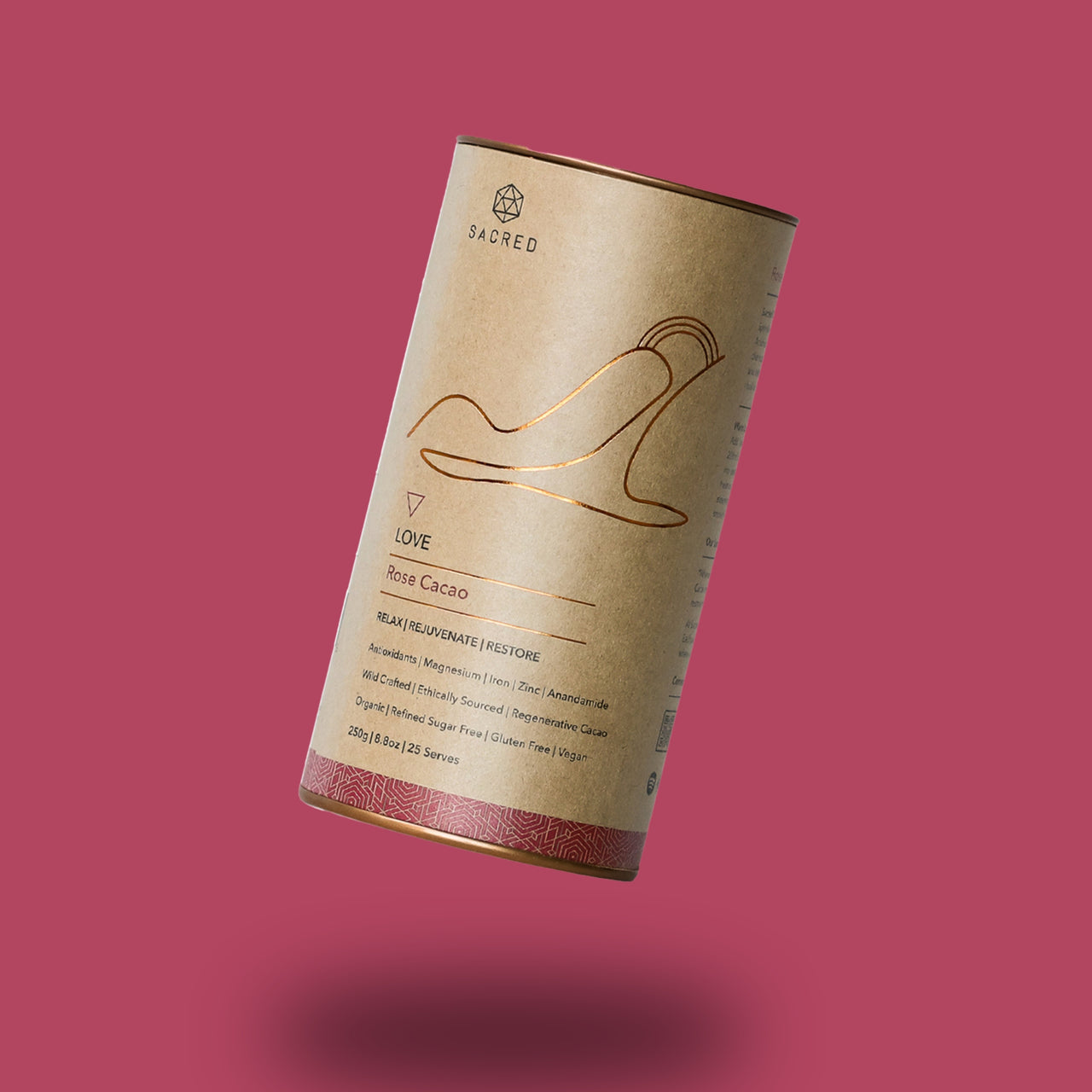
Adding Sacred Earth to a protein shaker with 200ml milk (we love oat!) is an easy way to boost your workout and improve recovery. Also check out our latest recipe, Hemp Cacao Protein Bars!
Shop Sacred Cacao
Earth | Fire | Vitality | Love