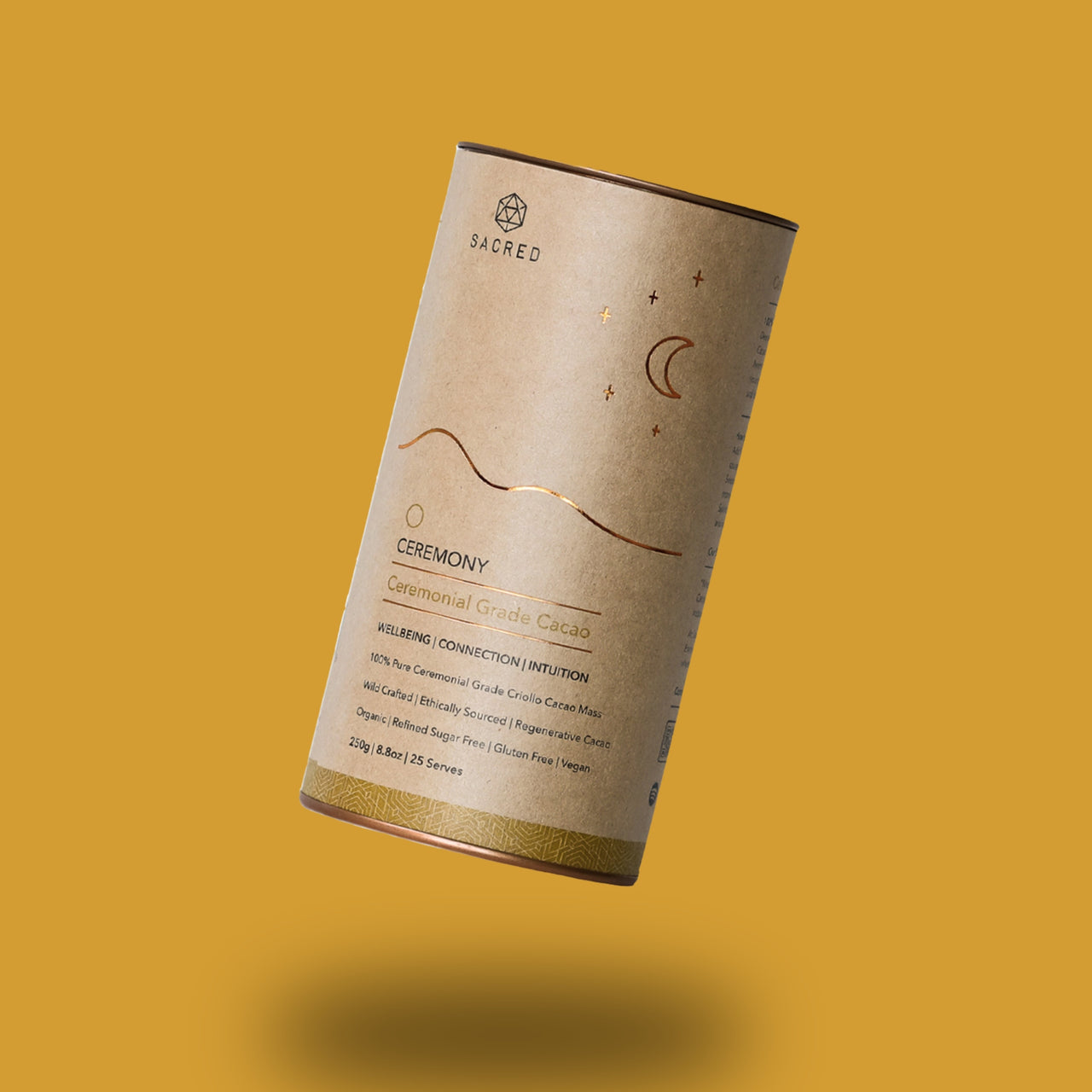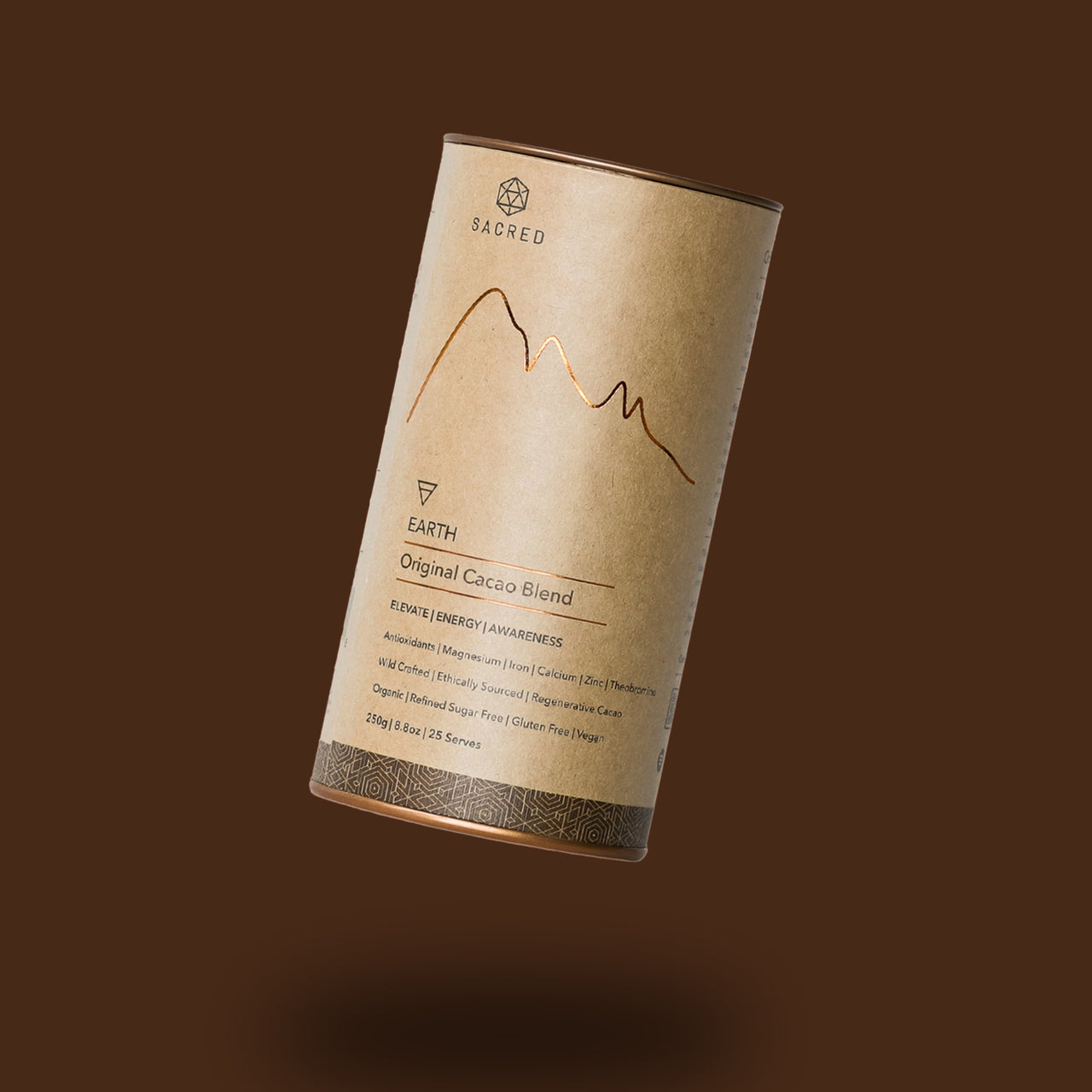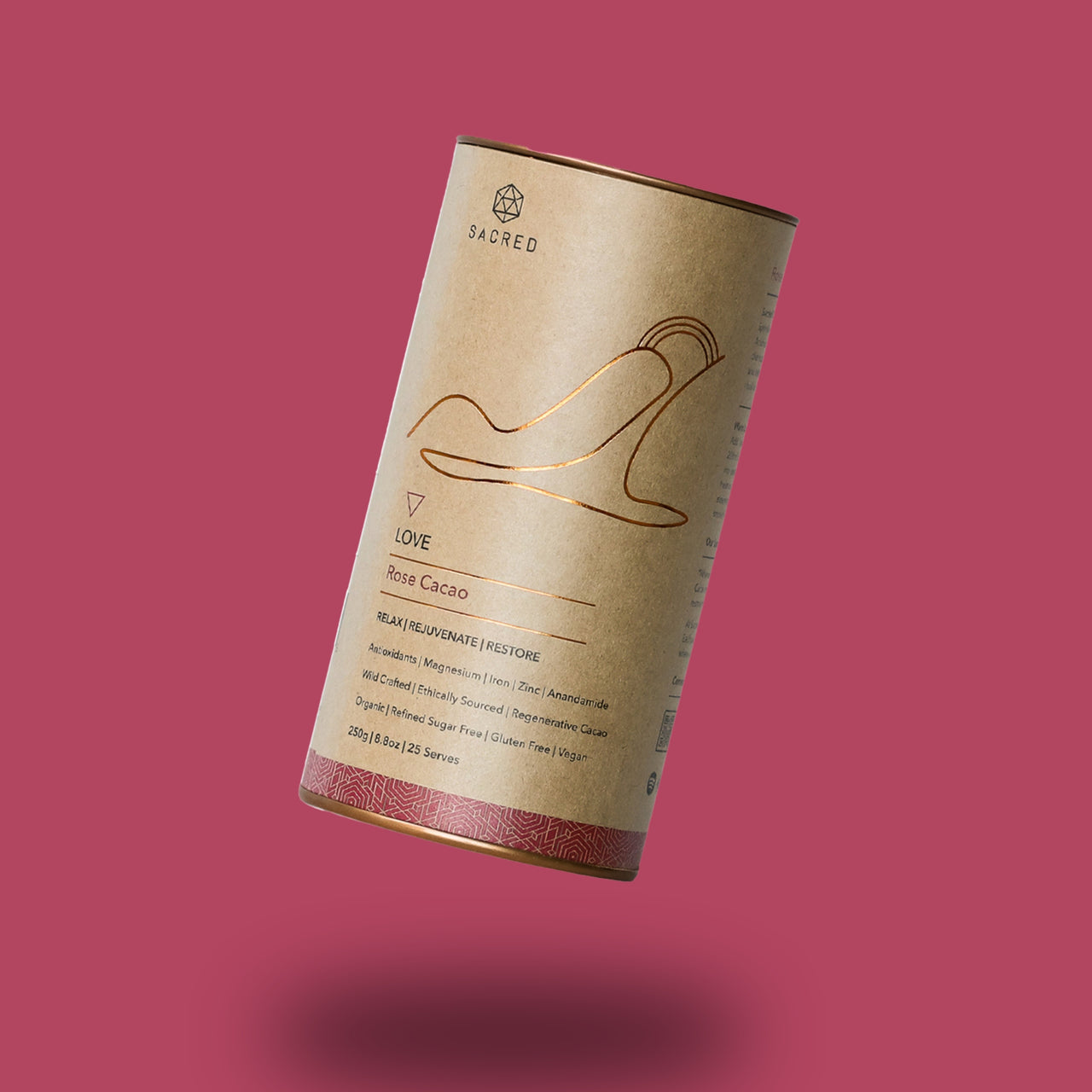









For many of us, cacao is synonymous with a delicious treat—whether it's a dark chocolate square savoured after dinner or a hot cup of cocoa warming you up on a cold night. But beyond its comforting taste, cacao has some impressive qualities that deserve a closer look, especially when it comes to health. What if I told you that cacao is not just a treat, but also a “nutrient transporter”? A natural delivery system that helps the body absorb key nutrients more efficiently. Let’s explore how this ancient superfood does more than just satisfy your sweet tooth and actually plays a pivotal role in getting the good stuff into your system.
Cocoa Butter: The Unsung Hero Of Nutrient Delivery
When most people think of cacao, they think of chocolate, and often, the first thing that comes to mind is its rich, creamy texture. But there’s something much more interesting happening beneath that velvety surface: cocoa butter, the fat extracted from the seeds of the Theobroma cacao plant, is playing a pivotal role in how cacao enhances nutrient absorption.
Growing up, I remember my grandmother swearing by her homemade cocoa butter lotion, which she’d slather on her skin to combat dryness. Little did I know that the same cocoa butter, revered for its skincare benefits, is also a key player in the absorption and delivery of nutrients. Over the years, I’ve come to appreciate how this creamy substance does more than moisturise—it actively helps deliver beneficial compounds in both food and pharmaceutical products.
The Role Of Cocoa Butter In Pharmaceutical And Food Industries
Cocoa butter is becoming a sought-after delivery system for pharmaceutical products. With its unique fat structure, it’s used in nano-delivery systems designed to encapsulate a variety of compounds like vitamins, antioxidants, and even medications. This is where things get really fascinating.
Cocoa butter, with its lipid-rich composition, is ideal for encapsulating both hydrophilic (water-soluble) and hydrophobic (fat-soluble) substances, creating nano-sized particles that can deliver nutrients directly to where they’re needed in the body. This ability to improve the solubility and absorption of drugs or nutrients has made cocoa butter a staple in the development of controlled-release systems. Whether it’s in capsules or emulsions, cocoa butter is helping the body absorb key nutrients more efficiently than ever before.
In fact, the pharmaceutical industry has long been using cocoa butter in drug delivery systems. For instance, cocoa butter is incorporated into certain medications to help the drug dissolve properly, allowing for better absorption in the bloodstream. It’s not just for topical use anymore!

Cocoa Butter’s Impact On Nutrient Bioavailability
What does this mean for cacao and its health benefits? Cocoa butter doesn’t just help improve the absorption of cacao’s own beneficial compounds (like antioxidants and flavonoids); it also plays a role in the absorption of other nutrients when consumed together.
For example, the fat in cocoa butter assists in the digestion and absorption of cacao’s phenolic compounds, particularly flavonoids like procyanidins. This interaction makes it easier for the body to digest and absorb these health-boosting compounds, ensuring they have their full impact once they enter the bloodstream.
As surprising as it may seem, cocoa butter even enhances the bioavailability of certain vitamins, like Vitamin D, when consumed in combination with cacao. This means that not only are we getting the benefits of cacao itself, but we’re also making it easier for our bodies to absorb other essential nutrients from our diet.
In Australia, where we are increasingly aware of the importance of Vitamin D for overall health, especially during the winter months, incorporating cacao into the diet could serve as a unique—and delicious—way to help the body absorb this vital nutrient.
Enhancing Cacao’s Own Bioactive Compounds
When you take a bite of dark chocolate, you're not just indulging in a treat—you're also getting a boost of bioactive compounds like flavonoids, which are known for their potent antioxidant properties. But here’s where it gets even more interesting: cacao not only contains these beneficial compounds, but the fat and sugar in its matrix actively help to unlock and enhance the absorption of these bioactive elements. Let’s take a deeper look at how cacao creates the perfect environment for its flavonoids and other compounds to work their magic.
Fat And Sugar Synergy: Unlocking The Full Potential Of Cacao Flavonoids
The key players here are the fat content in cacao (thanks to cocoa butter) and the sugar (sucrose) in chocolate. While these ingredients might sound like the stuff of indulgence, they are actually working together to improve the bioavailability of cacao’s flavonoids.
The fat content in cacao helps to facilitate the digestion and absorption of flavonoids like catechin and epicatechin. These flavonoids are more easily absorbed in the small intestine when they’re consumed with fat, thanks to a process known as micellization, where the fat helps to dissolve and carry the flavonoids into the bloodstream.
Sugar, surprisingly, enhances the absorption of these flavonoids as well. Studies have shown that flavanol bioavailability is actually improved when cacao is consumed alongside carbohydrates, which helps protect the flavonoids from degradation during digestion.
Imagine you’re enjoying a piece of dark chocolate after lunch. The combination of cocoa butter and sugar in that chocolate forms a perfect matrix, where the fat helps to break down and absorb the antioxidants, and the sugar ensures that the flavonoids are protected and absorbed efficiently in your gut. This synergy means you’re not just getting a treat, but actively boosting your health with every bite.
The Digestibility Of Cacao’s Phenolic Compounds
It’s not just about what cacao contains, but how your body can use it. The phenolic compounds in cacao—like procyanidins—are among the most powerful antioxidants in nature. However, they are often difficult for the body to digest and absorb on its own. That’s where the fat content in cocoa butter steps in to assist.
Table: How Cacao’s Fat Helps With Absorption
|
Component |
Role in Absorption |
Effect |
|
Cocoa Butter |
Acts as a fat carrier for phenolic compounds. Helps in the micellization of flavonoids. |
Enhances digestion and absorption of antioxidants. |
|
Flavonoids (Catechin, Epicatechin) |
Fat helps dissolve and protect flavonoids during digestion. |
Increases the bioavailability of cacao’s antioxidants. |
|
Sugar |
Sugar protects flavonoids from degradation during digestion. |
Facilitates optimal absorption of flavonoids. |
By providing the right environment for these compounds to be absorbed, cacao allows the body to make the most of its powerful antioxidants, which can help reduce oxidative stress and inflammation.
Have you tried adding medicinal superfoods to your cacao? Here are some of our favourite combinations:
- Lion’s Mane with Vitality for the ultimate nootropic medicine.
- Jing with Fire for spirited energy and a fiery pick-me-up!
- Yin Power with Earth for grounding and nourishing our vital essence.
- Reishi with Love for bliss and enhanced meditation.
Discover more about the heart-opening benefits of Cacao and the difference between Ceremonial Grade Cacao and our Sacred flavours.

Cacao's Role In Delivering Essential Nutrients
While cacao is renowned for its antioxidants and bioactive compounds, it also plays a role as a natural delivery system for other essential nutrients. Cacao is a rich source of magnesium, iron, copper, zinc, and potassium—minerals that are vital for many bodily functions. But cacao does more than just provide these nutrients; it actively helps transport them into the bloodstream, enhancing their absorption and ensuring they reach the areas of the body where they’re needed most.
Cacao As A Nutrient-Rich Delivery System
The fat content in cacao not only supports the absorption of its own beneficial compounds but also facilitates the delivery of other essential minerals, such as iron and magnesium. Cacao helps ensure that these vital nutrients are efficiently absorbed and made available to the body.
- Magnesium: One of the standout nutrients in cacao, magnesium plays a crucial role in muscle and nerve function, energy production, and bone health. Cocoa butter helps to enhance magnesium’s absorption by facilitating its passage through the digestive tract.
- Iron: Cacao is also a plant-based source of iron, which is essential for transporting oxygen throughout the body. By combining cacao’s fat with iron-rich foods, you can enhance the absorption of this important nutrient.
In many parts of Australia, magnesium deficiency is quite common, particularly in the colder months when people are less likely to get out in the sun. Consuming cacao, especially in its darker forms, could provide an easy and delicious way to help combat magnesium deficiency. Cacao’s combination of fat and magnesium could improve the efficiency of nutrient uptake, making it easier for the body to absorb and utilise this mineral.
The Impact Of Cacao On Vitamin And Mineral Absorption
Research is showing how cacao could be a game-changer in improving the absorption of other vitamins. Studies suggest that milk chocolate, often seen as a sugary indulgence, can influence the body’s ability to absorb Vitamin D and possibly other fat-soluble vitamins. This means that cacao not only delivers its own nutrients but could also enhance the bioavailability of other dietary components.
Hypothetical Scenario: Let’s say you’re enjoying a square of dark chocolate with your afternoon tea, and that little indulgence is doing more than just satisfying your craving. It might actually be improving your body's ability to absorb Vitamin D, which is essential for bone health, immune function, and overall well-being. The fat in the chocolate, especially the cocoa butter, could be working in tandem with the vitamin to increase its effectiveness in your system.
The Future Of Cacao As A Nutrient Transporter
As we’ve seen, cacao is far from being just another sweet indulgence; it has a remarkable ability to transport, enhance, and improve the bioavailability of nutrients, both within its own structure and when paired with other foods. But what about cacao’s future? Research is still ongoing, and as we delve deeper into cacao’s biochemical effects, new applications are emerging. Let’s look ahead at what cacao’s role as a nutrient transporter might mean for our health.
Cacao’s Potential In Food And Medicine
The role of cacao as a nutrient transporter goes beyond just food—it’s being explored for its potential in medicine and supplements. With cacao’s natural delivery system, it could be used to enhance the absorption of not only its own nutrients but also other health-promoting substances.
- Nanotechnology and Drug Delivery: Thanks to its lipid-rich nature, cacao butter is being tested in drug delivery systems, where its unique structure helps deliver both hydrophilic and lipophilic (fat-soluble) compounds. This is particularly beneficial in targeting hard-to-reach areas in the body, making cacao an important player in precision medicine.
- Probiotics and Antimicrobials: There’s increasing interest in using cacao’s fat matrix as a vehicle for probiotics and antimicrobial agents. The combination of cacao’s bioactive polyphenols and fat content offers a promising solution for enhancing the effectiveness of these compounds, especially in the digestive system.
Imagine a probiotic supplement that uses cacao butter as a delivery vehicle. The fat content in the cocoa butter helps the probiotics survive the digestive process, enhancing their effectiveness in the gut. This combination of taste and function could revolutionise how we think about both food and supplements.
Cacao’s Role In Brain And Cardiovascular Health
In addition to being a powerful nutrient transporter, cacao is well-known for its brain-boosting and cardiovascular benefits. Cacao contains compounds like flavonoids and theobromine, which have been linked to improved blood flow, cognitive function, and even better heart health. Let’s look at how cacao is contributing to these areas of health.
- Flavonoids and Brain Health: The flavonoids in cacao have been shown to improve blood flow to the brain, which can enhance cognitive function, memory, and even reduce the risk of neurodegenerative diseases like Alzheimer’s. Studies suggest that regular consumption of flavonoid-rich cacao can help maintain brain health as we age.
- Theobromine and Cardiovascular Health: The theobromine in cacao is a natural stimulant similar to caffeine but much gentler on the body. Theobromine helps dilate blood vessels, improving circulation and lowering blood pressure. This means that cacao doesn’t just feed your cravings—it also helps keep your heart healthy.
Picture yourself having a square of dark chocolate in the afternoon. Not only are you satisfying your taste buds, but you're also doing something great for your brain and heart. The flavonoids are enhancing circulation to your brain, helping you focus and think clearly, while the theobromine is supporting healthy blood flow, lowering your blood pressure. That little indulgence is doing wonders!
Cacao, in its many forms, is more than just a treat—it’s a potent nutrient transporter, enhancing the absorption and bioavailability of both its own health-promoting compounds and other nutrients we consume. From the unique fat matrix of cocoa butter to the way sugar and fat work together to enhance the absorption of flavonoids, cacao creates a perfect environment for nutrient delivery. It’s not just about what’s inside cacao; it’s also about how the body can use and benefit from these nutrients once consumed.
As science continues to uncover the full potential of cacao, it’s becoming clear that this humble food holds a far more significant place in our diets than we’ve realised. Whether through enhancing nutrient absorption, supporting heart and brain health, or even revolutionising how we deliver pharmaceuticals and supplements, cacao is proving itself to be a powerful ally in the world of nutrition and wellness.
Curious to know more about Dan? Read his Sacred Story!
Written by our Sacred Scribe
Instagram | www.instagram.com/artful_listening